Buying produce in Italy can feel like a test you didn't study for. The market is beautiful, the prices are confusing, and the tomatoes in February look wonderful and taste of very little. Learning the calendar is the single most useful skill for a home cook here. It saves money, improves dinner, and quietly turns shopping into the best part of the week. What follows is a beginner's map: what to look for through the year, how to treat it once you get it home, and how to build a habit that survives a busy schedule.
How Italian Seasonality Actually Works
There is no single national calendar. Sicily picks its first cherry tomatoes while Trentino is still lifting cavolo nero out of the frost, and a market in the mountains runs a few weeks behind one on the coast. Treat any season chart as a rough sketch, not a rule.
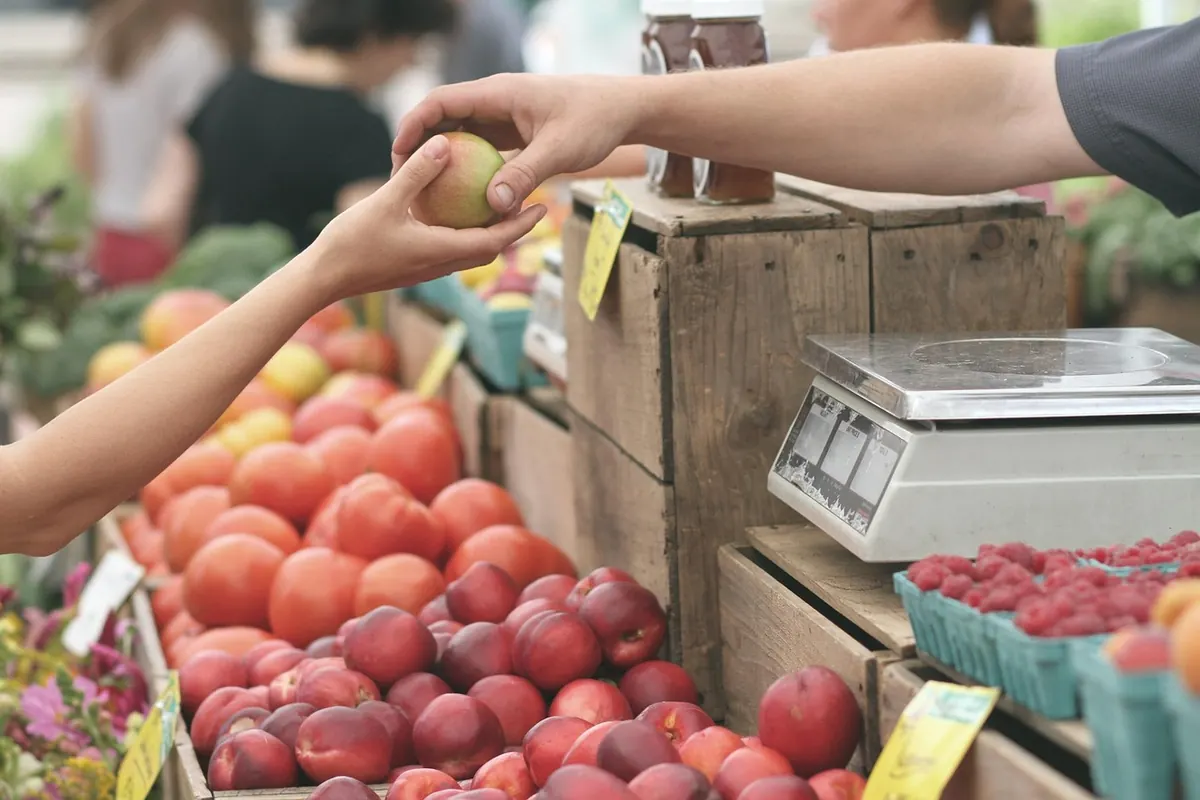
The other thing worth knowing is that "produced in Italy" and "in season" are different claims. A perfectly legal, perfectly tasteless tomato can be grown under glass in November. Italian shoppers handle this with one question, asked politely of the vendor: è di stagione? Is this in season? Honest sellers will tell you, and often point you toward something better sitting two crates away.
Finally, learn the shape of your own local market. A small weekly market in a hill town may have four excellent producers and nothing else; a city market may have thirty stalls of wildly varying quality. Spend a month walking through without buying much. It is the fastest education available.
Spring: March to May
This is the season that rewards curiosity. Artichokes arrive in force — the long, soft mammole in Rome and the rounder romaneschi later — along with agretti, asparagus, spring onions, peas, broad beans, spinach and the first strawberries.
Spring vegetables are delicate, and the common beginner's mistake is to cook them to death. Agretti need a minute in boiling water and a dressing of olive oil, lemon and salt; that's the whole recipe. Fave are best raw and young with pecorino and a little oil, or blanched briefly if they're larger. Asparagus roasted at high heat with nothing but oil and salt beats almost anything you could build around it.
Puntarelle, the bitter Roman chicory, technically belongs to late winter and early spring. If you see the long stalks with their hollow shoots, buy them, slice thinly, soak in iced water until they curl, and dress with anchovy, garlic, vinegar and oil.
Summer: June to August
Tomatoes, zucchini with their flowers still attached, aubergines, peppers, cucumbers, basil, cherries, apricots, peaches, melons and watermelon. Figs usually arrive at the end of August and carry on into September.
Two habits change everything in summer. Keep tomatoes out of the fridge and salt them ten minutes before serving, so they release their juice. And buy zucchini small, because a giant one is mostly water and seeds.
August deserves a warning. Many family-run shops and restaurants close for holidays, and some market stalls disappear for a fortnight. Plan around it rather than being surprised by it. It is also the month to do very little cooking: sliced tomatoes, torn basil, good oil, bread.
A note on quantities
When something is at its peak it is also at its cheapest, which is the moment to buy more than you need. Tomato sauce made in August and frozen in portions will taste better in January than anything you can buy in January.
Autumn: September to November
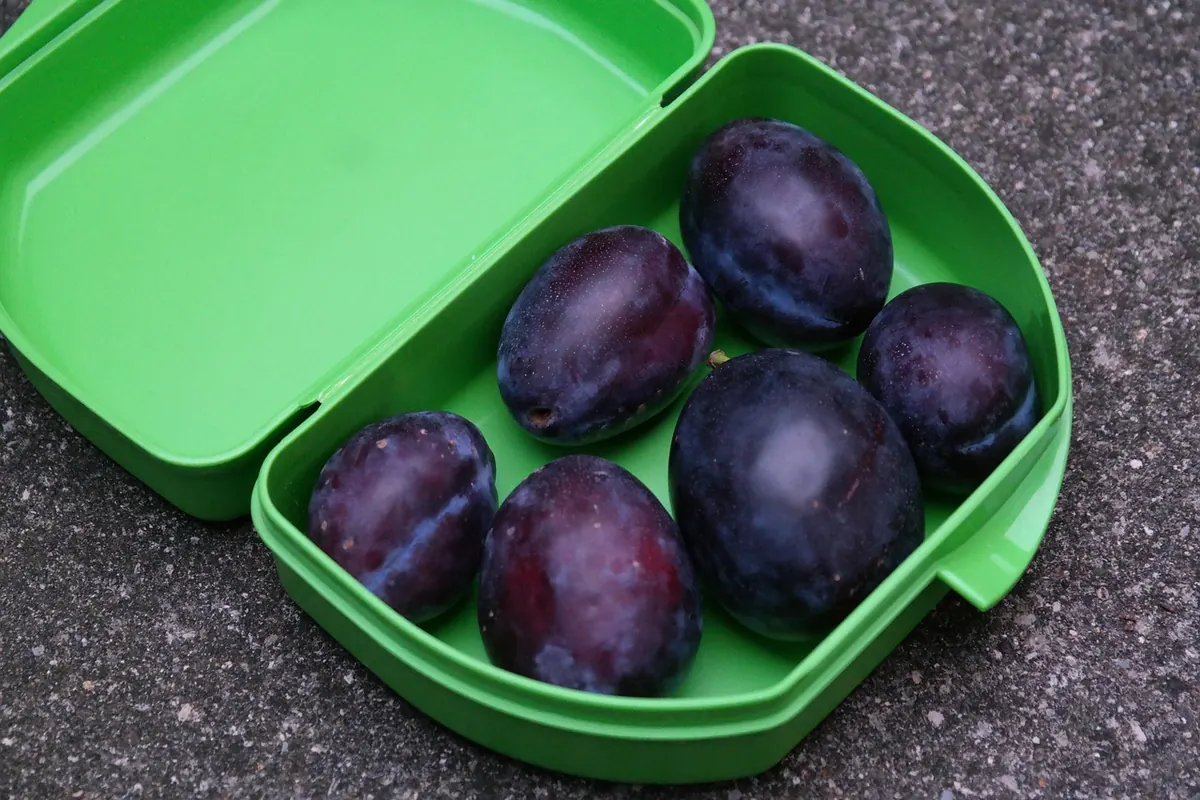
Grapes, figs, late plums, porcini, squash, chestnuts, pomegranates, persimmons, pears, and the first bitter greens as the weather turns. Radicchio — especially the long Treviso type — starts showing up, and olive oil from the new harvest appears from late October.
Autumn cooking can be slower. Squash wants a hot oven and space between the pieces; crowded, it steams and goes limp. Mushrooms should be brushed clean rather than soaked, then cooked in a pan that is properly hot and not too full, so they brown instead of stewing. Chestnuts are easier boiled and peeled than roasted if you are new to them.
This is also the season to start using bitter leaves confidently. Radicchio, catalogna and puntarelle all respond to fat and salt: a little anchovy, some grated cheese, a sharp dressing.
Winter: December to February
Citrus carries the season: tarocco oranges, clementines, mandarins. Alongside them, finocchio, cauliflower, broccoli romanesco, savoy cabbage, cavolo nero, radicchio, artichokes again, and cime di rapa in the south.
Winter vegetables are forgiving. They like being braised, roasted, or thrown into a pot with beans and a parmesan rind. Cavolo nero should be stripped from its stalk and cooked until soft rather than crunchy — twenty minutes in garlic and oil, with chilli, is the classic treatment. Fennel is excellent raw, shaved thin with orange segments and olive oil, which surprises people who have only had it cooked.
Citrus is also a seasoning. A squeeze over a plate of bitter greens or grilled fish does the work of a sauce.
The Month-by-Month Short Version
- January: citrus, cavolo nero, cauliflower, artichokes, finocchio, radicchio.
- February: citrus at its best, puntarelle, broccoli romanesco, leeks, cabbage.
- March: artichokes, agretti, asparagus, spring onions, spinach, early strawberries.
- April: peas, broad beans, asparagus, artichokes, lettuce, wild greens.
- May: strawberries, cherries arriving, zucchini, peas, new potatoes, fave.
- June: cherries, apricots, zucchini with flowers, tomatoes starting, basil, peaches.
- July: tomatoes, aubergines, peppers, melons, peaches, green beans.
- August: peak tomatoes and stone fruit, watermelon, figs appearing late in the month.
- September: figs, grapes, porcini, late peaches, squash arriving, peppers.
- October: squash, chestnuts, pomegranates, mushrooms, new olive oil, radicchio.
- November: persimmons, radicchio, citrus starting, cardoons, cabbage, pears.
- December: clementines, tarocco oranges, cavolo nero, artichokes, finocchio, chestnuts.
A Weekly Habit That Actually Sticks
Go to the market with a rough plan and a flexible mind. Pick one vegetable you already know how to cook, one you don't, and whatever fruit looks genuinely ripe. Ask the vendor how they'd cook the unfamiliar thing; you will usually get a real answer, sometimes a recipe, occasionally a fifteen-minute conversation.
Keep a note on your phone with three columns: what you bought, how you cooked it, whether you'd do it again. After a season you'll have your own personal calendar, which is worth more than any chart, including this one.
Buy small amounts of new things until you're confident, and don't fight the calendar. Out-of-season produce is not dangerous, it's just expensive and underwhelming. Spend that money on more of whatever is abundant this week — that's the whole strategy, and it works all year.
Photo: Pexels / Pixabay