It is 6:40 on a Tuesday. You are hungry, the fridge is a collection of half-ideas, and chopping a single onion feels like a project. This is the moment meal prep is meant to solve — not with five identical chicken containers, but with a few Italian staples that turn into dinner in about the time it takes pasta water to boil.
Italian home cooking suits this approach unusually well. A pot of tomato sauce, a tray of roasted vegetables, a bowl of cooked chickpeas and a small tub of soffritto will carry you through a week of genuinely different dinners: pasta al pomodoro on Monday, a frittata on Wednesday, beans with greens on Thursday, a baked pasta on Friday made from what is left. The trick is prepping components rather than finished meals, and knowing which ones survive the fridge well and which ones sulk.
Plan Four Dinners, Not Seven
Seven prepped dinners is a fantasy that ends with a fridge full of food you resent by Thursday. Plan four. Leave one night for leftovers, one for something lazy and unfussy, and one for eating out or raiding the freezer.
Build those four around two shared bases. If Sunday produces a plain tomato sauce, Monday can be pasta with it and Wednesday can be meatballs simmered in the same pot. A tray of roasted eggplant and zucchini can go into a pasta alla Norma one night and into a frittata the next. This is the whole economy of the thing: one effort, two or three results.
Write the four dinners down before you shop, then write the shopping list from the recipes. Keep it on the fridge door. If you shop without the list, you will buy three bunches of parsley and no onions, which is how these weeks usually fall apart.
The Sunday Session, in the Right Order
Sequence matters more than speed. Start the longest thing first and let everything else happen in its shadow.
- Turn on the oven and put a big pot of salted water on to boil. Nothing else should begin before heat is underway.
- Start the soffritto. Onion, carrot and celery, chopped small, cooked low in olive oil for fifteen minutes or so. Do double what the recipe asks — you will use the rest later in the week.
- While it cooks, wash and chop. Cut vegetables for roasting, chop herbs, grate cheese, tear greens. Prep work happens in the gaps, not as a separate stage.
- Roast the vegetables. One tray with olive oil and salt, at a high heat, until the edges darken. Do not crowd the pan; two trays beat one crowded one.
- Make the sauce. Add tomatoes to half the soffritto, salt, and let it simmer while you finish everything else.
- Cook a pot of beans or chickpeas — or open two tins, rinse them well, and keep them in a container with a little olive oil and lemon peel.
- Cool, portion and label. Nothing goes into the fridge warm and covered; give it twenty minutes on the counter first, then pack it.
Two hours of this, done once, is roughly four nights of not thinking about dinner. Put on something to listen to and it stops feeling like a chore.
Five Components Worth Keeping Ready
If you prep only these, you can eat well all week. Scale the quantities to your household, and keep each one in its own container so you can mix and match.
- Soffritto. Make a large batch, freeze it in small portions, and you have skipped the most tedious ten minutes of most Italian recipes.
- A plain tomato sauce. Tomatoes, olive oil, salt, a piece of onion or garlic. Keep it neutral, so it can become arrabbiata, a braise or a base for baked pasta later.
- Cooked pulses. Chickpeas, borlotti, cannellini. They turn into soup, a pasta e ceci, a salad with tuna, or a mash on toast with good olive oil.
- Roasted vegetables. Eggplant, zucchini, peppers, fennel. Roast them plain so you can season them differently later.
- A frittata or a pot of polenta. Both reheat well and both accept whatever is left in the fridge. Cold polenta slices and fries in olive oil beautifully.
What to Leave Until the Day
Some things simply do not survive, and prepping them is wasted effort. Cook pasta at the moment you eat it — a reheated bowl of spaghetti is a small tragedy. If you must cook it ahead, drain it a full two minutes under, toss it with a little olive oil, and finish it in hot sauce the next day, which is closer to acceptable than it sounds.
Also leave these alone: dressed salads (they wilt within hours — keep the dressing in a jar), fried things, anything with fresh basil stirred through it, and risotto, which sets into something firm and gluey. That firmness is why arancini exist, so if you have leftover risotto, roll it into balls, chill it, and fry it. Cooked seafood is best eaten the day it is made.
Storing and Reheating Without Sad Textures
In the fridge
Use shallow containers rather than deep ones; food cools faster and reheats more evenly. Cool cooked food before covering it, and get it into the fridge within a couple of hours. Aim to eat prepped food within three or four days, and label containers with the day you made them if you are the sort of person who forgets.
In the freezer
Freeze sauce, soffritto, cooked beans and braises in portions you would actually use — enough for one dinner, not for a party. Flat freezer bags stack neatly and thaw quickly. Leave a little headspace for expansion, and use containers that are meant for freezing.
At the table
Reheat gently and add moisture. A splash of water or a spoonful of pasta water loosens a sauce that has tightened up overnight. Reheat until it is steaming hot throughout, stir halfway, and finish with something fresh — olive oil, lemon zest, grated cheese, chopped parsley — because the thing prepped food always lacks is contrast. That last drizzle is not decoration; it is what makes the plate taste cooked rather than stored.
Prep the parts, not the plate. A jar of sauce and a tray of vegetables is dinner, not a compromise.
Start With One Week and Keep It Slightly Boring
For your first fortnight, resist the urge to try four new recipes. Repeat the same rotation twice. You will learn how much you actually eat, which containers are the right size, and whether you genuinely like roasted fennel on a Thursday (you may not). Note what went uneaten; that is the only data that matters. Then adjust one thing — a different sauce, a new vegetable, an extra portion of beans — and run the week again.
If you have a health condition that affects your diet, or you are cooking for someone who does, it is worth checking your plan with a doctor or registered dietitian rather than relying on a general guide.
By the third week, the Tuesday cascade of indecision will have quietly disappeared. You will have sauce in the fridge, greens washed, and a pot of pasta water coming to the boil. That is the whole promise of prepping, delivered without a single identical lunch box.
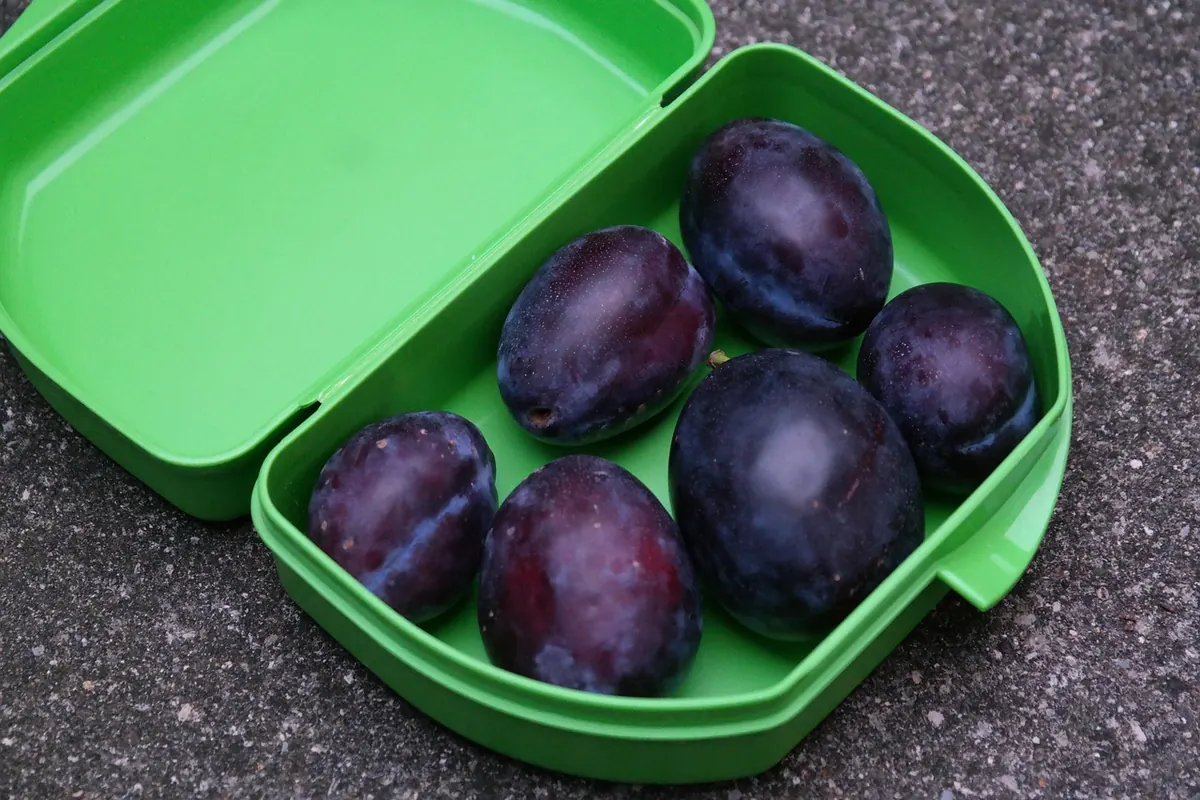
Photo: Hans / Pixabay